Importing hair accessories from China can be a profitable venture. Many entrepreneurs are drawn to the vast variety of products available. Knowing how to import hair accessories from China requires understanding key aspects of the process.
Effective communication with suppliers is crucial. You must establish trust and clarify expectations. This helps prevent misunderstandings and ensures quality. Additionally, sourcing the right materials can significantly impact your final product.
Logistics also plays a vital role. Shipping costs and customs regulations can be complex. Careful planning can save you time and money. Be prepared for unexpected challenges. Reflect on your experiences to improve future imports. With the right approach and knowledge, you can succeed in this competitive market.
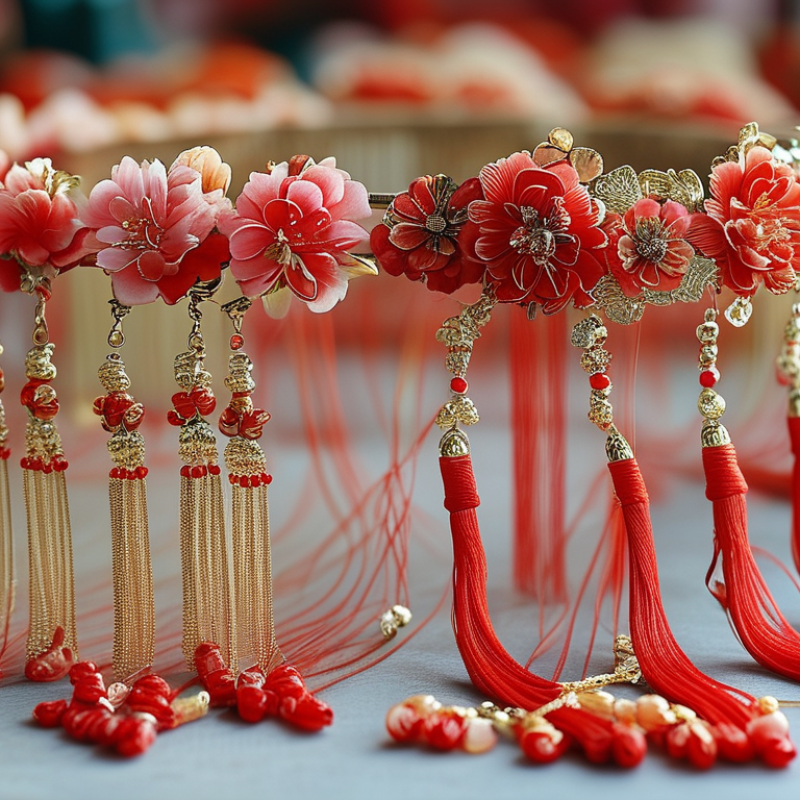
The hair accessories market in China is booming. Recent data shows that the market was valued at approximately $10 billion in 2022. This sector is expected to grow by 7.5% annually. The rising influence of social media trends and beauty influencers fuels demand. More consumers are seeking unique and stylish hair accessories.
China's manufacturing capabilities are robust. Factories often produce at lower costs than elsewhere. However, navigating this market can be challenging. Quality control can be inconsistent. Some products may not meet international standards. Businesses must conduct thorough inspections before importing. Working with reliable suppliers is essential for success.
Understanding consumer preferences is critical. Recent research indicates that eco-friendly materials are gaining popularity. Many consumers prefer biodegradable or sustainable options. Brands that offer such products can attract a larger audience. Therefore, staying informed about market shifts is vital. Data shows that 56% of consumers are willing to pay more for sustainable products.
Finding reliable suppliers and manufacturers in China is crucial when importing hair accessories. Quality often varies, and due diligence is essential. Start by researching potential suppliers online. Look for platforms that list verified and rated manufacturers. Check reviews and feedback from other buyers. This step helps filter out unreliable suppliers.
Communicate clearly with potential partners. Ask about their production processes and quality control measures. A trustworthy supplier will be open to sharing this information. It’s also beneficial to request samples before placing large orders. While some suppliers might hesitate, a legitimate one will understand your concerns.
Attend trade shows if possible. These events offer opportunities to meet suppliers face to face. Building relationships can lead to better deals and trust. Consider visiting the factory, too. Assess the working conditions and equipment used. This firsthand knowledge can be invaluable.
Finally, stay informed about the latest trends in hair accessories. This knowledge will help you choose suppliers who align with current market demands. Reflect on your interactions and be ready to adjust your approach. The import process can be complex but understanding these aspects will make it smoother.
Importing hair accessories from China requires careful navigation through regulations and compliance standards. The industry reports indicate that compliance failures can result in significant fines. According to the International Trade Administration, up to 30% of shipments are delayed due to documentation issues. Every importer's risk is influenced by how they understand these regulations.
A critical area is product safety. Various hair accessories must meet specific safety standards, such as ASTM and CPSIA in the United States. Recent data shows that 62% of products recalled in the accessorial category failed to meet safety regulations. Ensuring compliance with these standards can prevent costly disruptions.
Additionally, it is essential to work with reliable suppliers. Verifying their compliance history can reduce potential risks. Many manufacturers may provide incomplete certificates, leading to penalties. Engage in thorough documentation checks. Importers often overlook the importance of quality assurance processes. Familiarizing yourself with changing regulations is crucial. Regulatory landscapes evolve, and staying informed is vital to success.
Negotiating with Chinese suppliers can be quite challenging. It's essential to prepare well. Research the market to understand pricing trends. Suppliers may start with higher quotes to gauge your response. When discussing prices, aim for a win-win situation. This builds trust and fosters better future relations.
Communication is key. Use clear and concise language. Misunderstandings can lead to frustration. Don't hesitate to ask questions. Sometimes, suppliers may not disclose their best prices upfront. Therefore, be persistent. If a quote seems high, express your concerns. Highlight your budget constraints respectfully.
It’s valuable to know the cultural context. Building relationships is important in Chinese business culture. Spend time getting to know your suppliers. Regular check-ins can help solidify your partnership. Keep the negotiations professional but friendly. Remember, it's common to experience setbacks during these discussions. Analyze what went wrong and adjust your strategy accordingly. Openness to reflection can lead to better outcomes and more favorable terms.
When importing hair accessories from China, shipping and logistics play a crucial role. Proper planning can minimize costs and ensure timely delivery. According to a report by the International Transport Forum, logistics costs can account for up to 10% of product prices. This underscores the importance of efficient shipping strategies.
Consider using multiple shipping methods. Air freight might seem faster but can be costly. Sea freight is more economical for larger shipments and typically takes longer. Assess your budget and timeline before deciding. It may be beneficial to start with smaller orders to gauge shipping performance.
Establish clear communication with your suppliers. Issues can arise during customs clearance. Ensure your paperwork is accurate and complete. Any delay here can lead to increased expenses. Inadequate shipping practices may inadvertently harm your business reputation. Always conduct regular audits of your logistics partners to ensure reliability. Balancing cost and efficiency is key, but don't overlook quality. Poorly managed logistics can damage imported goods and create significant setbacks in your supply chain.
: The market was valued at approximately $10 billion in 2022.
It is expected to grow by 7.5% annually.
Social media trends and beauty influencers fuel consumer interest in unique styles.
Quality can be inconsistent, with some products not meeting international standards.
Eco-friendly and sustainable materials are gaining popularity.
Spend time getting to know suppliers and maintain regular communication.
Consider both air and sea freight based on budget and timeline.
Inaccurate documents can cause customs delays and increase costs.
Suppliers may start with higher quotes, testing pricing responses.
Regular audits of logistics partners can help ensure reliability and quality.
Importing hair accessories from China can be a lucrative business venture when done correctly. Understanding the hair accessories market in China is essential, as it allows you to identify trends and popular products. Reliable suppliers and manufacturers are crucial; therefore, conducting thorough research and vetting potential partners will ensure quality sourcing.
Navigating import regulations and compliance requirements is another key aspect of how to import hair accessories from China. Being aware of tariffs and documentation can save time and prevent costly mistakes. Additionally, negotiating prices and terms with suppliers is vital to achieve favorable conditions. Finally, effective planning for shipping and logistics will facilitate smoother transactions and timely delivery. With these strategies, you can successfully embark on your importing journey.

Galz Fashion